POLICY & RESPONSIBILITY
Regulations
Packaging laws, producer responsibility and environmental claims, with jurisdiction and official sources in view.
THE PACKAGING INTELLIGENCE BRIEF
News, Regulations, Materials & Market Intelligence
A clearer view of biodegradable and sustainable packaging. Explore the policy, materials, companies and market forces shaping the industry.

Six perspectives on sustainable packaging: policy, materials, formats, companies, markets and practical knowledge.
POLICY & RESPONSIBILITY
Packaging laws, producer responsibility and environmental claims, with jurisdiction and official sources in view.

MATERIALS & TECHNOLOGY
Bioplastics, fiber, paper and coatings: understand the properties, evidence and limits behind material choices.

FORMATS & APPLICATIONS
From foodservice to flexible packs and transport packaging, explore the relationship between form, function and end-of-life systems.
COMPANIES & DEVELOPMENTS
Company announcements and brand initiatives, with stated claims separated from the evidence available.
MARKETS & SUPPLY CHAINS
Investment, procurement and supply-chain context. Keep observed data distinct from forecasts and scenarios.
KNOWLEDGE & COMPARISONS
Clear definitions, practical comparisons and standards context for informed packaging decisions.
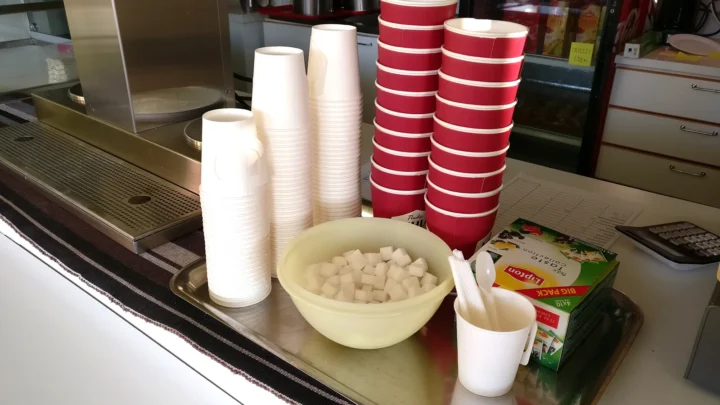
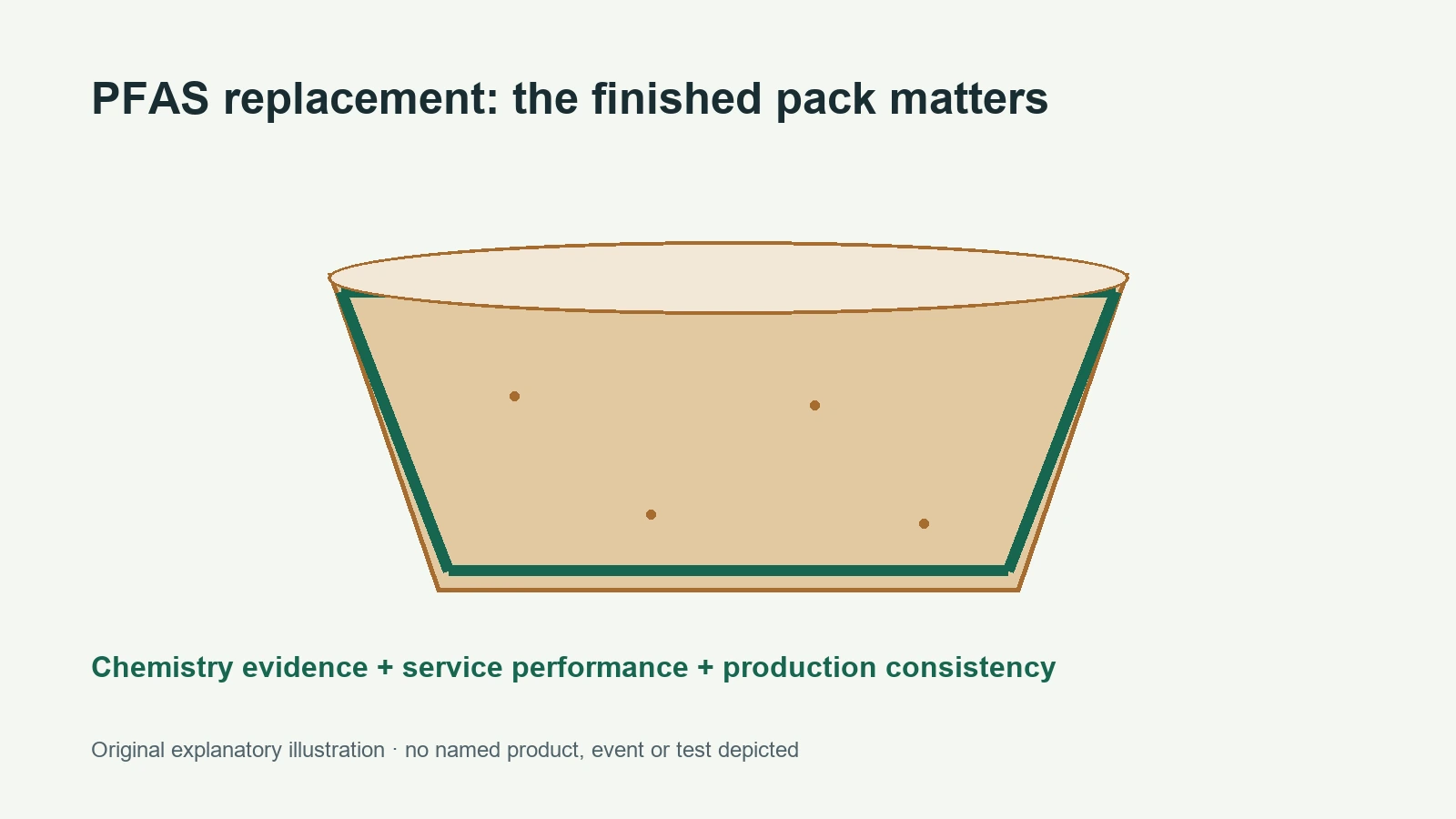
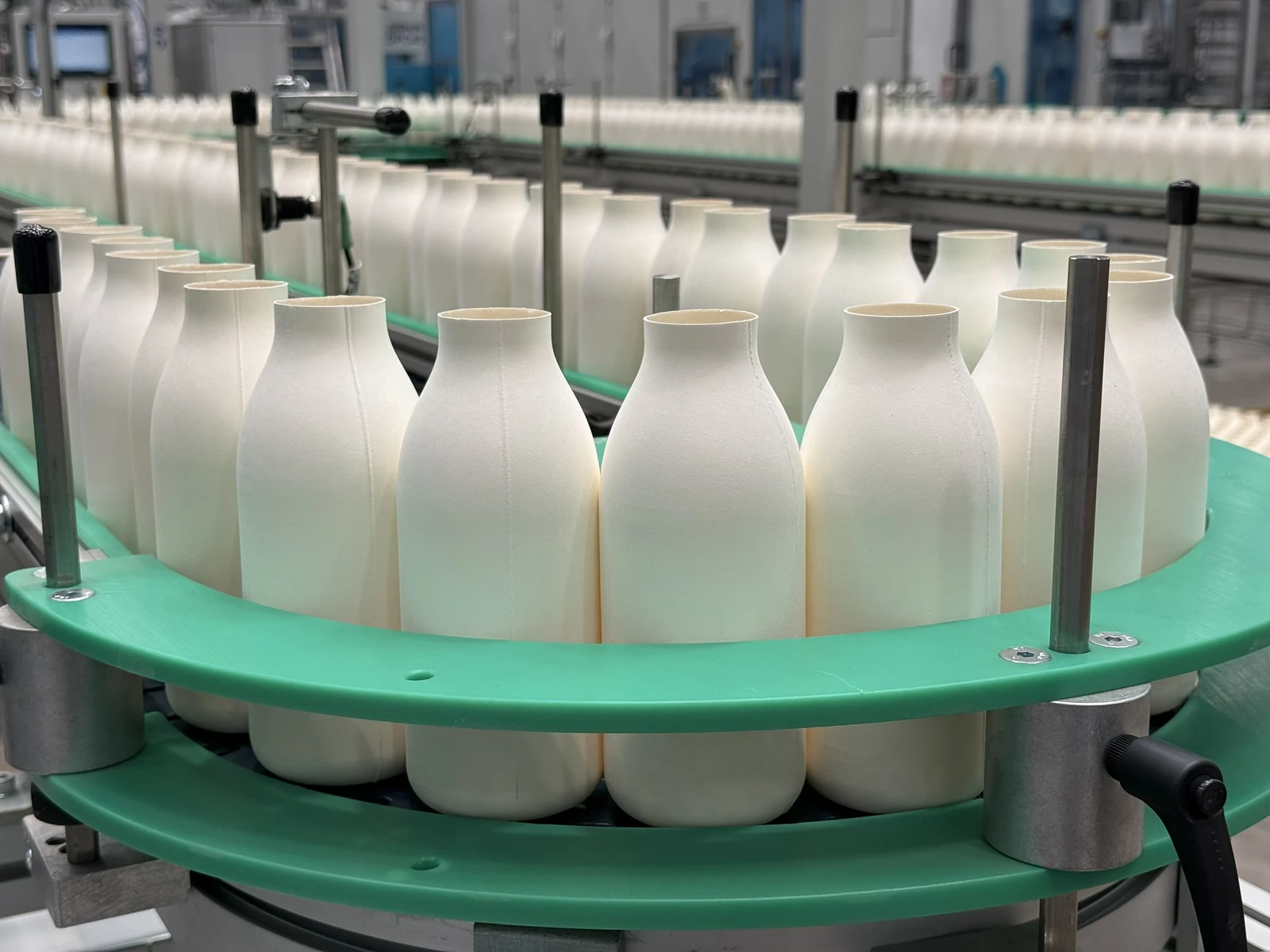
A documented cup format shows why feedstock, polymer content and end-of-life evidence are separate questions.
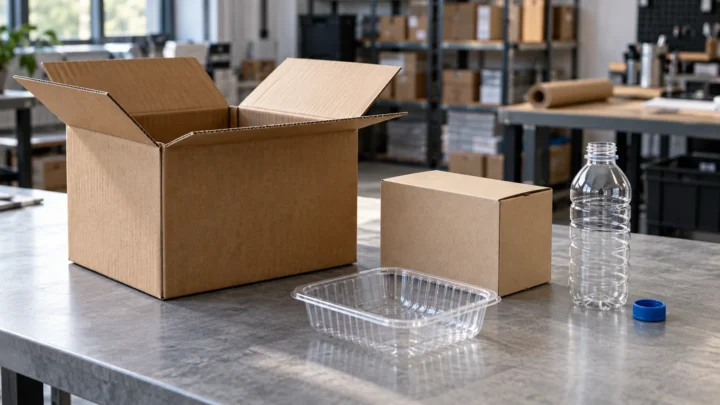
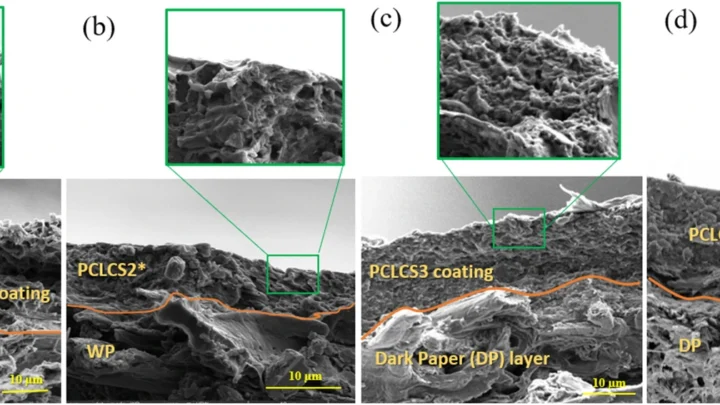
Public research shows why a paper-based pack needs separate evidence for oxygen and moisture performance, its complete construction and its recycling route.
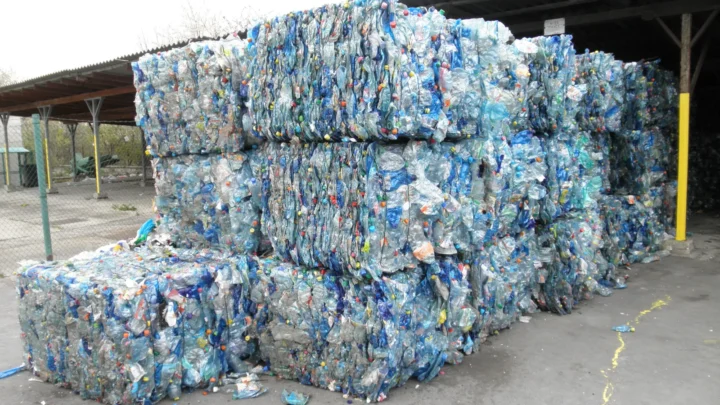
Eurostat’s 2025 release records lower packaging waste per person in 2023. It measures waste flows, not packaging sales or future market demand.
Mondi’s 5 October case study describes brown-substrate printing for Kärcher. The sweeper’s recycled-plastic claim applies to the device, not the box.
Amcor’s 1 October announcement describes a dispensing-focused sauce closure. Component specifications remain central to evaluating the complete pack.
PackUK's RAM2027 guidance is available, but 2026 reporting still uses version 1.1. The reporting year, packaging classification and evidence trail need to remain aligned.
The PPWR's general application date has passed, but its individual measures do not share one timetable. A practical guide to reading official sources and keeping product-specific…
A documented cup format shows why feedstock, polymer content and end-of-life evidence are separate questions.
Public research shows why a paper-based pack needs separate evidence for oxygen and moisture performance, its complete construction and its recycling route.
Coatings, adhesives, components and the receiving recycling process matter alongside the fiber itself. A practical evidence checklist for specifying paper-based packaging.
A documented cup format shows why feedstock, polymer content and end-of-life evidence are separate questions.
Public research shows why a paper-based pack needs separate evidence for oxygen and moisture performance, its complete construction and its recycling route.
Mondi’s 5 October case study describes brown-substrate printing for Kärcher. The sweeper’s recycled-plastic claim applies to the device, not the box.
New formats, materials and packaging concepts moving into the market.
A documented cup format shows why feedstock, polymer content and end-of-life evidence are separate questions.
Mondi’s 5 October case study describes brown-substrate printing for Kärcher. The sweeper’s recycled-plastic claim applies to the device, not the box.
Amcor’s 1 October announcement describes a dispensing-focused sauce closure. Component specifications remain central to evaluating the complete pack.
Eurostat’s 2025 release records lower packaging waste per person in 2023. It measures waste flows, not packaging sales or future market demand.
A packaging footprint is useful only when the service, boundaries and assumptions are visible. These questions help buyers read an LCA without turning one metric into…