The strongest packaging innovations increasingly change the product, logistics, reuse model, information layer or recovery system—not just the substrate. This design-pattern atlas shows where each redesign route fits.
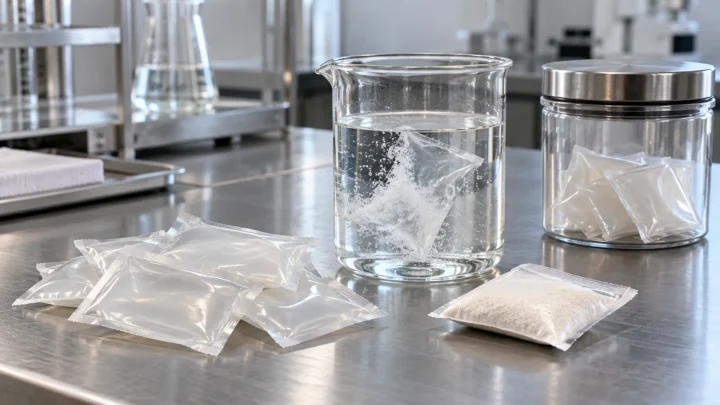
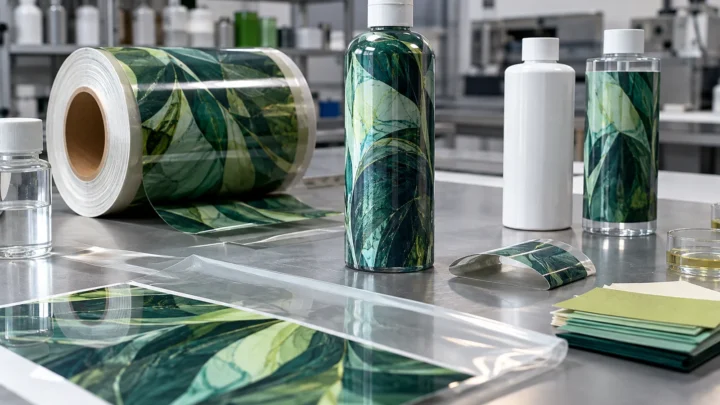
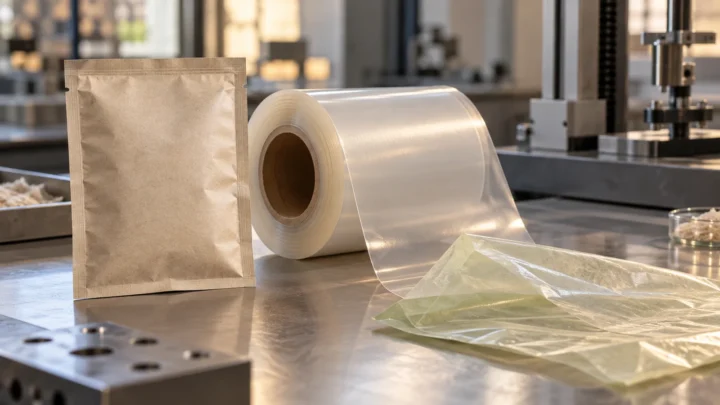
PVOH films can dissolve at the point of use, enabling pre-dosed detergents, safer pesticide mixing and soluble laundry bags. But dissolution is not the same as biodegradation or environmental disappearance.
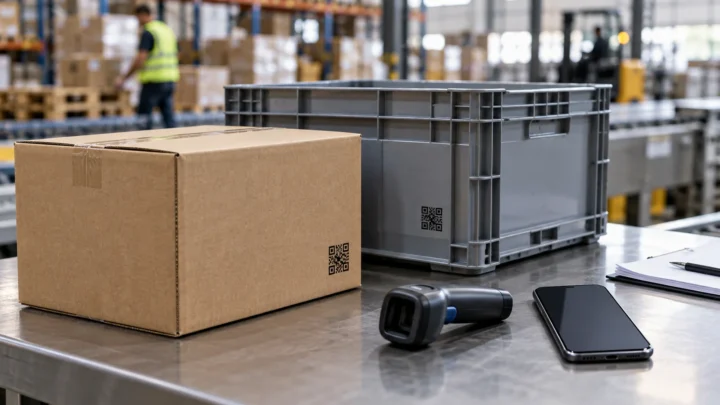
QR, NFC, RFID, serialized codes and digital watermarks do different jobs. The useful question is not whether a package is “smart,” but what operational action happens after it is read.
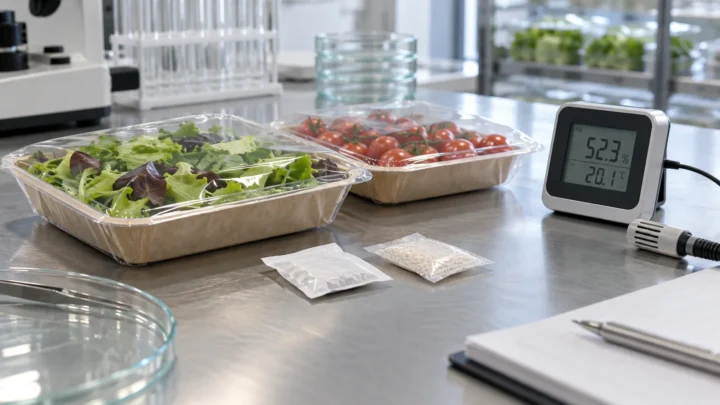
Oxygen scavengers, moisture absorbers, ethylene control, antimicrobials, desiccants and corrosion inhibitors can protect valuable products—but every active function adds chemistry, components or layers that must earn their place.
Removing water or isolating the product in a cartridge can shrink the package and freight burden, but it also shifts requirements into dosing, moisture barrier, safety, compatibility and durable dispensers.
Refill works when the durable bottle, pump, jar or dispenser stays in use while each replacement becomes materially simpler. Pouches, cartridges, bulk refill and concentrates all move the burden differently.
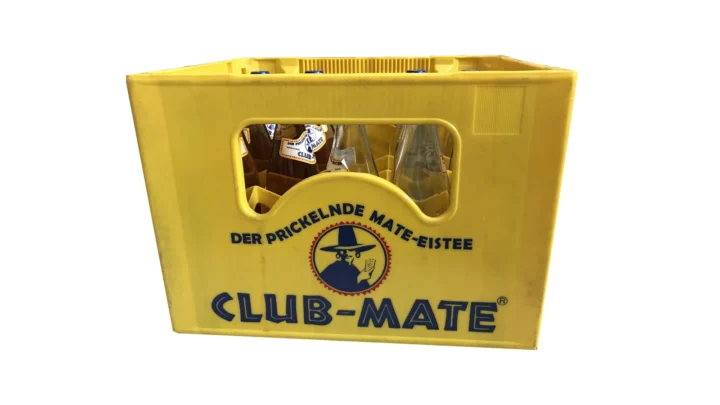
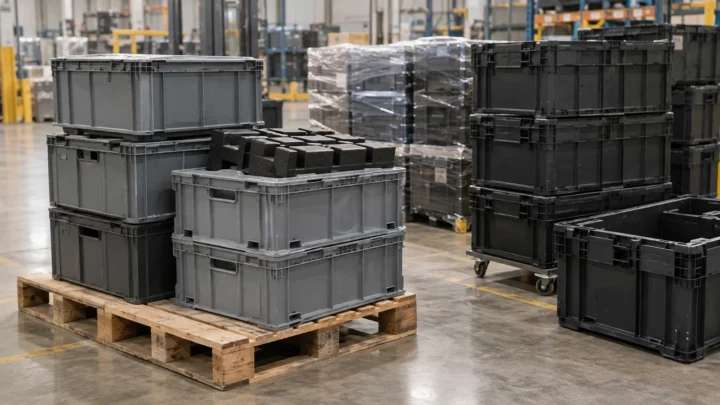
Returnable transport packaging works only when the asset completes a reliable loop. Totes, crates, pallets and reusable dunnage depend on backhaul, tracking, repair, washing, utilisation and real return rates—not theoretical durability.
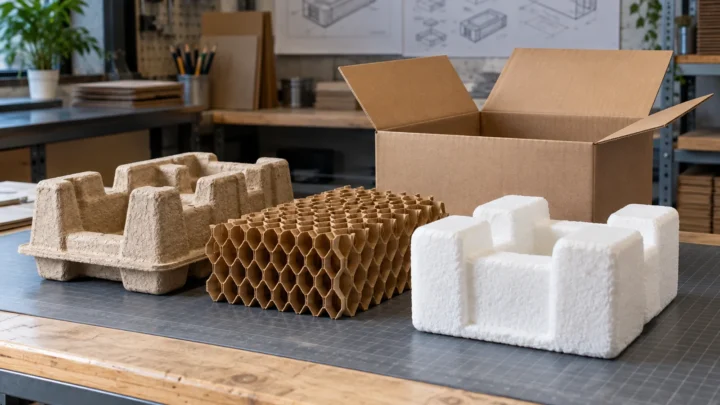
Replacing EPS is a protective-packaging engineering problem, not a material swap. Molded fiber, paper honeycomb, corrugated inserts, starch foams and cellulose cushions must be judged against the actual shock, vibration, compression and…
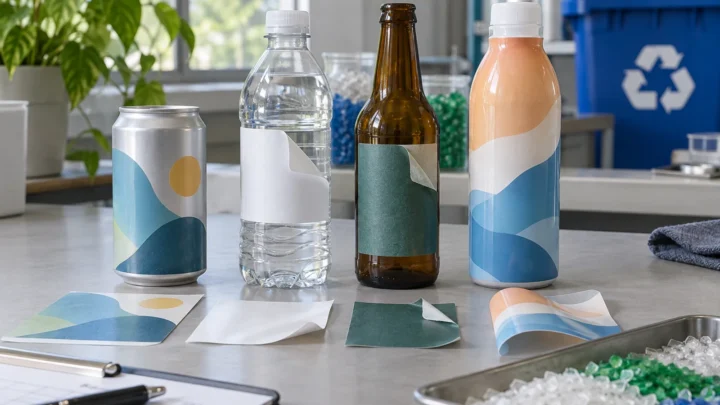
Packaging decoration is no longer just a branding choice. Wash-off labels, shrink sleeves, in-mould labels, direct print, laser marking and digital watermarks shift the recovery burden to different points in sorting and…
A package can be mostly PET, PP, HDPE, paper or glass and still lose recycling compatibility because of the label, sleeve, adhesive, ink, tamper band or smart tag attached to it.
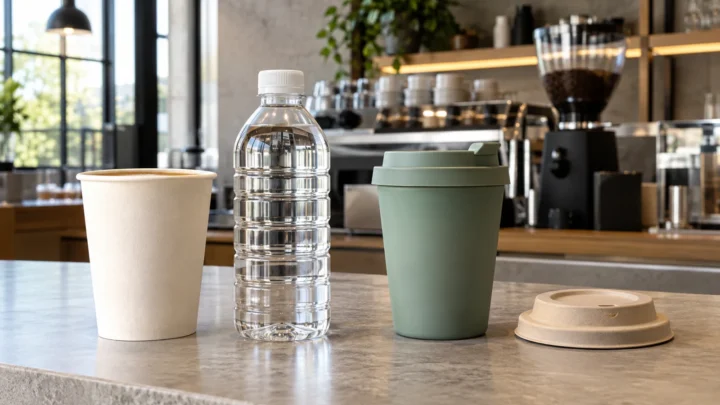
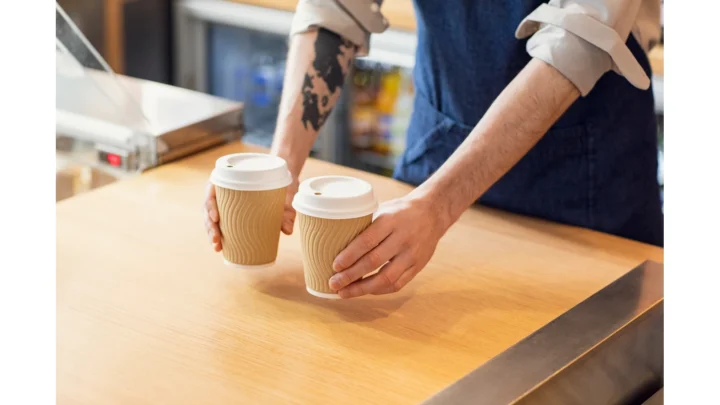
Takeaway drinks are no longer a one-cup decision. Paper, PET, PP, reusable cups and fiber lids create different systems for heat, clarity, sealing, condensation, delivery, reuse and end-of-life.
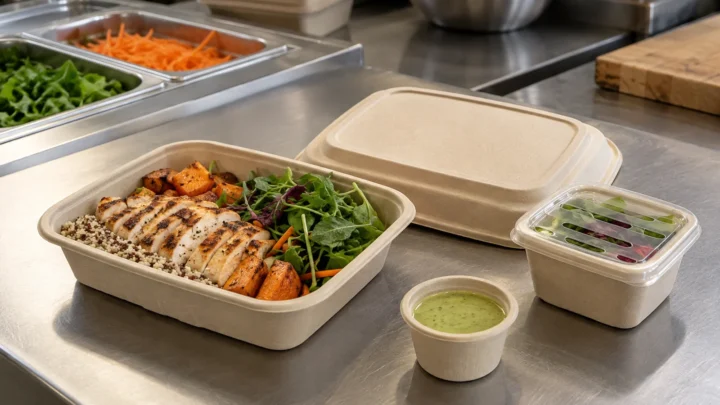
Food delivery packaging is no longer just a container choice. Hot mains, cold sides, fried foods, sauces, steam, lids, stacking and courier motion create different failure modes that must be designed as…
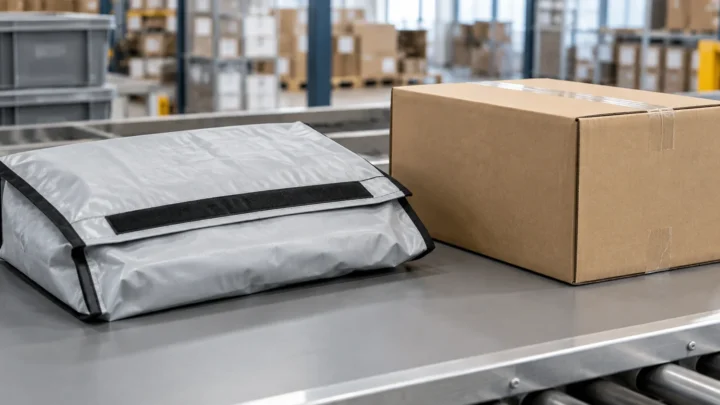
Returnable e-commerce packaging succeeds only when the reverse trip works. This analysis examines postal, store and courier returns, achieved reuse cycles, route density, cleaning, tracking, product-return integration and the EU PPWR boundary.
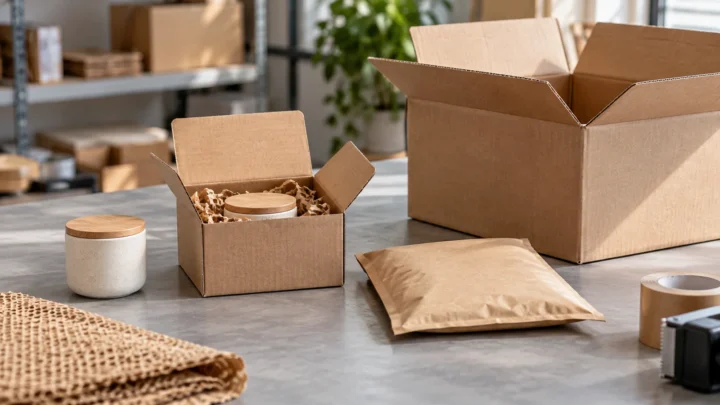
Right-sizing does not mean eliminating all empty space. It means removing unnecessary cube while keeping enough clearance, cushioning and structure to deliver the product undamaged.
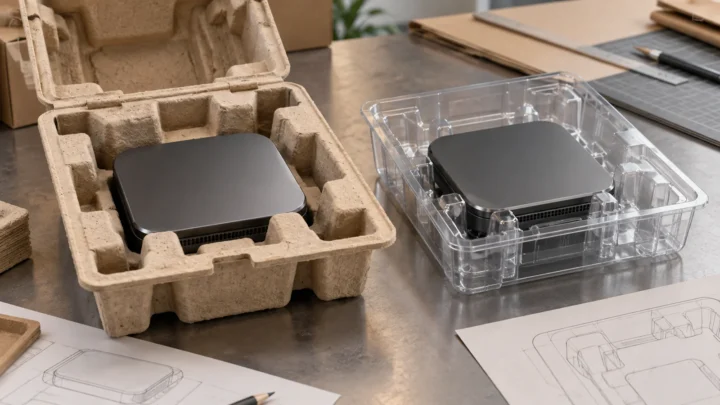
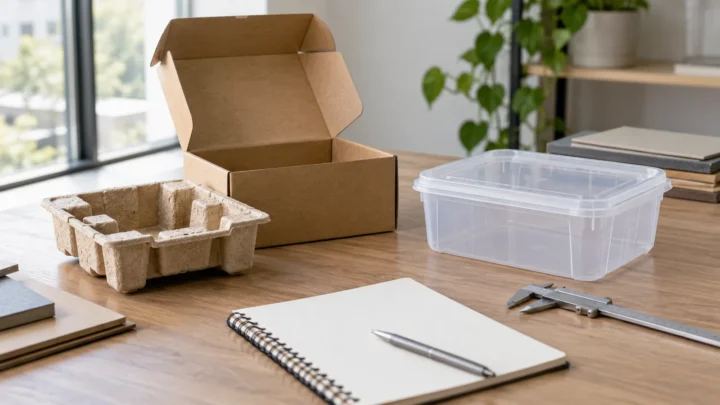
Molded fiber is replacing plastic trays and foam in electronics, cosmetics and consumer goods—but protection depends on geometry, humidity, tooling, tolerance and full packaged-product testing.
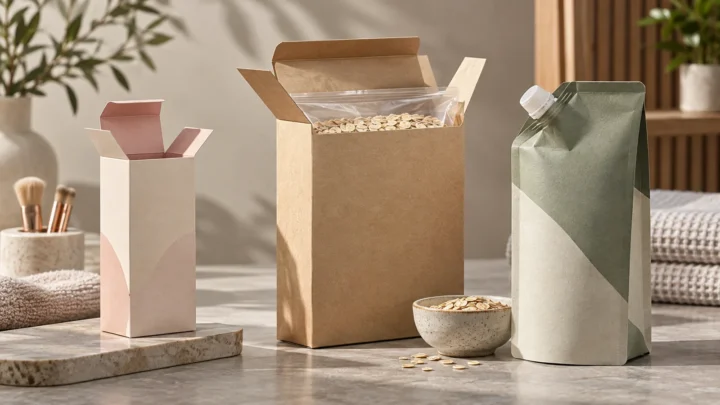
Paperization outside food is happening at different packaging levels. Secondary cartons are relatively easy to switch; liquid refill cartons must still solve barrier, sealing, chemistry, dispensing and recovery.
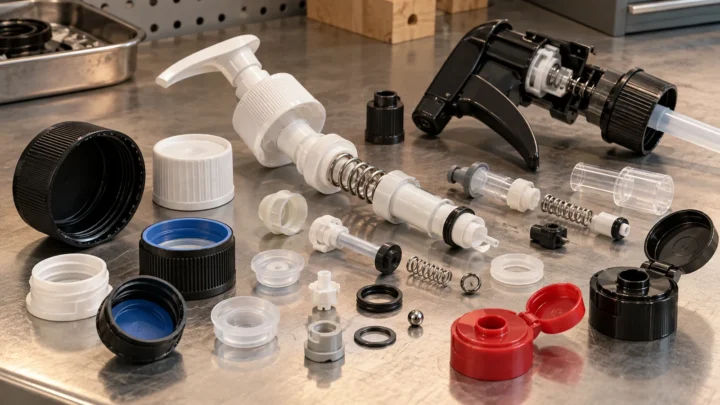
The container body may be one polymer, but caps, pumps and dispensers can contain seals, springs, valves, liners and tamper features. Closure redesign is increasingly the last difficult step in recyclable and…
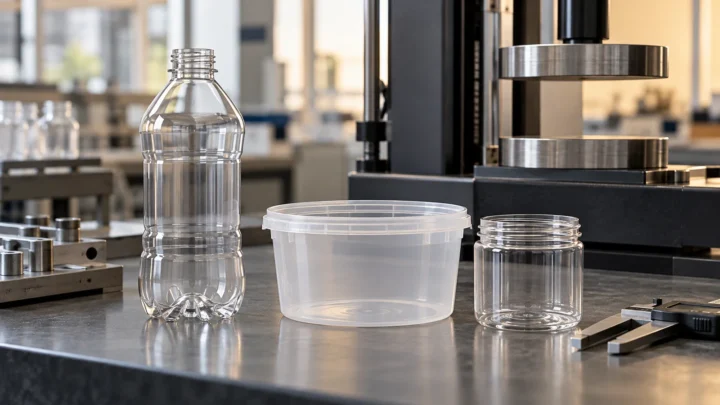
Lightweighting is not uniform wall thinning. Bottles, jars and tubs must redistribute material through geometry, process control and resin choice while preserving top load, impact, closure fit, thermal performance and line speed.
Paper, cellulose film and compostable polymer films can all replace selected plastic laminates—but only when their barrier, sealing, machineability and recovery route fit the exact application.
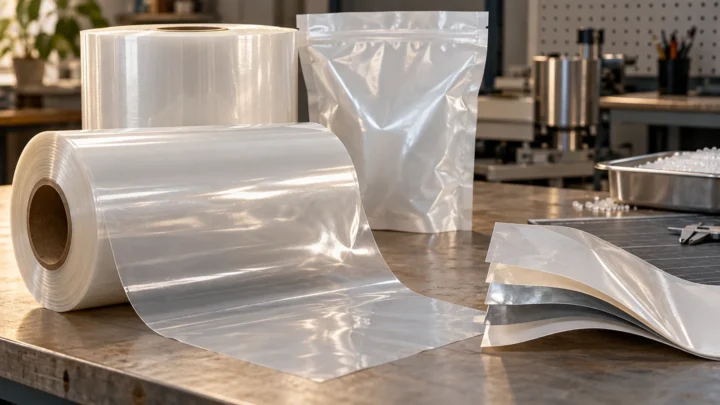
Mono-material flexible packaging can simplify recycling, but it still has to reproduce the barrier, sealing, stiffness and puncture functions that made multilayer laminates successful.
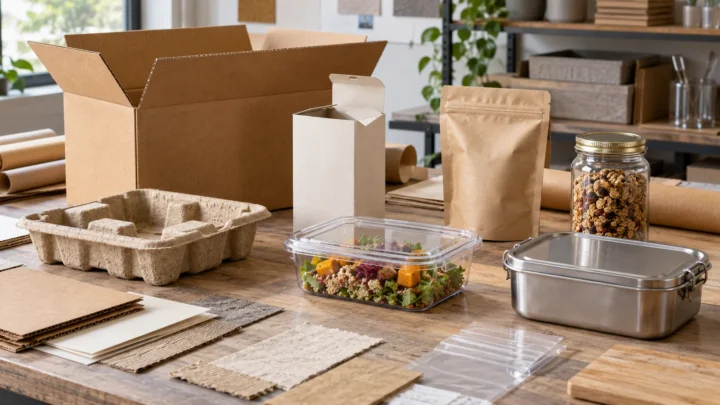
“Eco-friendly” is not a material category. The strongest packaging choices start with function, reduce unnecessary material, then match reuse, recycling or composting to the real system.
Sustainable packaging is not a single material or end-of-life label. It is a system decision that balances product protection, material use, reuse, recovery, claims and life-cycle trade-offs.