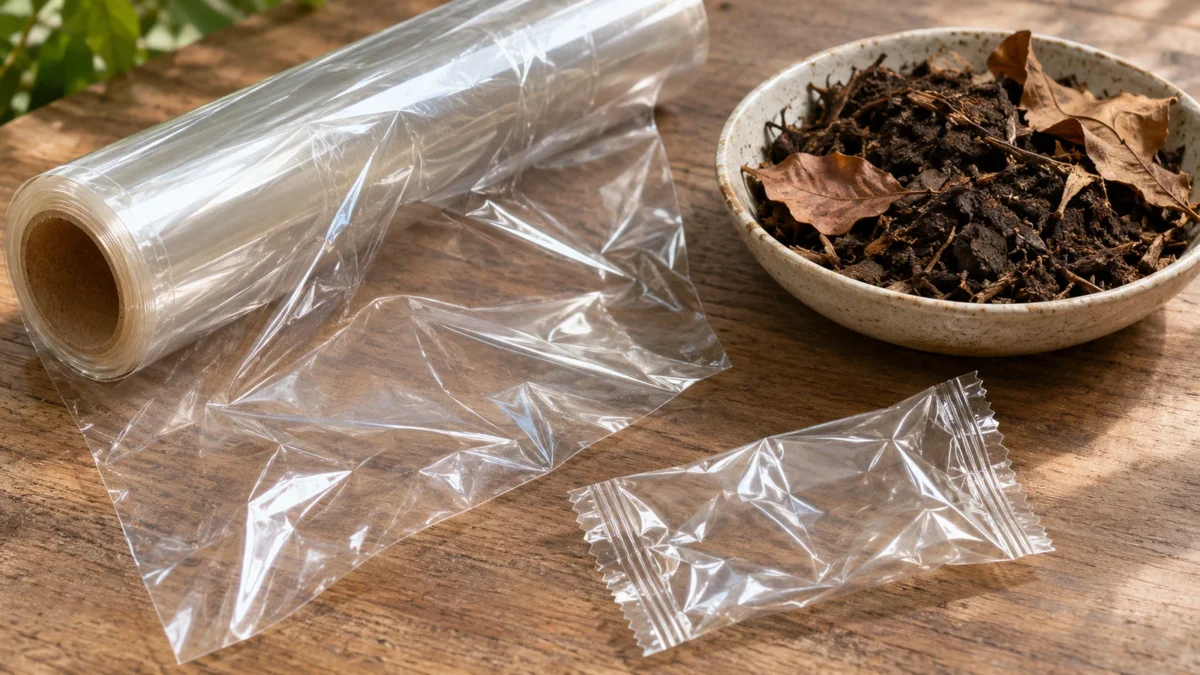
Short answer: Genuine cellophane made from regenerated cellulose is capable of biodegrading under suitable conditions. But a finished cellophane wrapper is not automatically compostable: coatings, inks, adhesives, thickness and the receiving environment can change its behavior. Some clear packaging sold informally as “cellophane” is actually a different plastic film. Check what the film is made from before deciding how to dispose of it.
The word cellophane is often used loosely for transparent wrapping. That creates a practical problem for anyone trying to decide whether a gift wrap, food bag or flexible packaging film is biodegradable. First identify the material; then check what has been added to it; finally look for evidence relevant to the actual disposal system.
What is cellophane made of?
Traditional cellophane is a thin film made by regenerating cellulose, a naturally occurring polymer found in plant fibers. It differs chemically from familiar petroleum-based packaging films such as polypropylene (PP) and polyethylene (PE). The EU’s Directive 2007/42/EC describes regenerated cellulose film for food-contact purposes and explicitly recognizes both uncoated film and films with coatings.
That last detail is crucial. “Cellulose-based” can describe the core of a film even when the finished package has a separate coating that changes moisture resistance, heat sealing and potentially end-of-life behavior. A shiny transparent appearance cannot reveal which layers are present. The same distinction between cellulose and finished construction matters when asking whether paper is biodegradable.
Is all clear wrapping film cellophane?
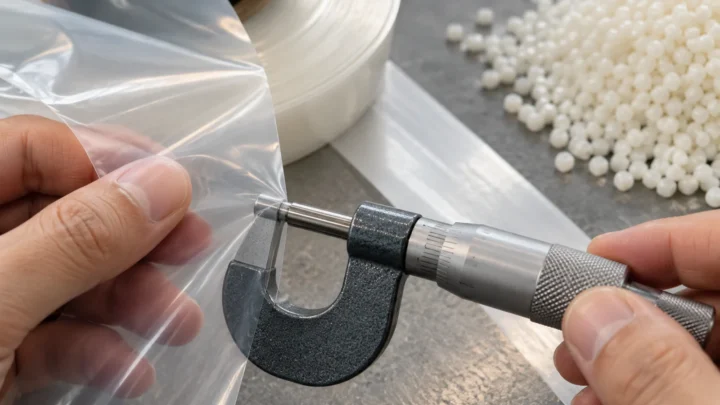
No. Clear wrapping may be made from regenerated cellulose, polypropylene, polyethylene, polyester or a multilayer structure. Retail product descriptions sometimes use “cellophane” as a generic appearance word rather than a verified material specification.
For packaging, look for a material declaration or technical specification such as regenerated cellulose film, the maker’s coating description, and any finished-item compostability documentation. A recycling symbol, generic “plant based” phrase or seller’s product photograph may not settle the question.
| Film description | What the name establishes | What it does not establish |
|---|---|---|
| Uncoated regenerated cellulose film | Cellulose is the main film-forming polymer. | Exact biodegradation rate, certification or local compost acceptance. |
| Coated regenerated cellulose film | Cellulose substrate plus one or more functional surface layers. | That the coating degrades at the same rate as the cellulose. |
| PP or PE transparent wrap | A conventional polyolefin film, not regenerated cellulose. | Biodegradability merely because the film is clear or called “cellophane.” |
| Unspecified multilayer film | Appearance or a marketing name only. | Whether every layer is biodegradable or compostable. |
What happens when real cellophane biodegrades?
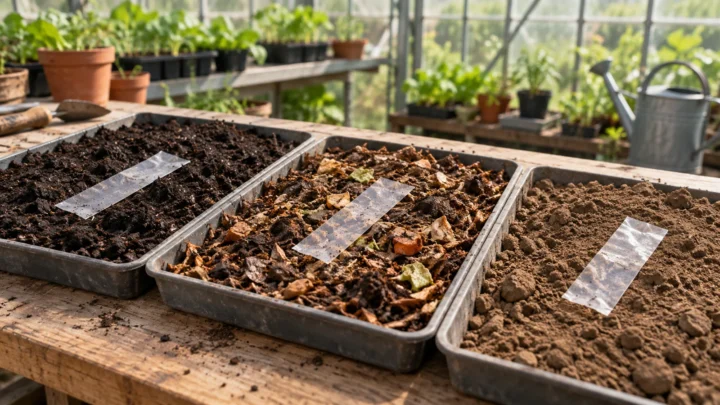
Biodegradation is a biological process in which microorganisms transform material carbon into products such as carbon dioxide and biomass under particular environmental conditions. It is not the same as a wrapper tearing into pieces or becoming invisible.
The review Degradation of Cellulose Derivatives in Laboratory, Man-Made, and Natural Environments describes how material chemistry and the receiving environment influence degradation. Its accessible summary supports that distinction; no numerical performance result from a particular experiment is used here.
A result for a specified specimen in controlled compost cannot be transferred to an unidentified supermarket wrapper, a home compost pile or a marine environment. Biodegradation evidence also does not by itself establish full-item compostability.
How do coatings affect cellophane biodegradability?
Coatings can improve grease, moisture or oxygen barriers, sealability and surface handling. But the chemistry that improves a package’s performance may also change its degradation pathway. A coated film is therefore a combined material system, not simply an uncoated cellulose film with the same disposal behavior.
The effect of a coating needs evidence for the exact finished construction. A base-film result cannot establish the behavior of an added barrier layer.
A product can also include printing inks, labels, adhesives, barrier layers or metallic decorations. Evidence limited to a base cellulose film cannot be extended automatically to an entire converted wrapper or bag.
Is cellophane compostable at home?
Do not assume so. Biodegradation in a controlled experiment is not a home-composting certification. The US Environmental Protection Agency advises that products labeled compostable should not be put into home compost unless the labeling specifically confirms suitability for that route.
Home compost varies widely in temperature, moisture, microbial activity and residence time. An industrial composting test or a biodegradation study cannot by itself demonstrate that the same finished film will behave as intended in a backyard pile. For practical disposal, check a current claim or certification that covers the complete wrapper, its coatings and the specified environment.
Can cellophane go into an industrial composting facility?
Possibly, but not automatically. A compostability certification for the relevant finished item and acceptance by the receiving facility are separate issues. The site must actually accept the package format, and its local collection system must allow it.
US Federal Trade Commission guidance says compostable marketing claims need competent and reliable scientific evidence. Claims should be qualified where the product cannot compost at home or suitable municipal or institutional facilities are not widely available. That advertising standard does not authorize an uncertified item for a particular local composting program.
Is cellophane biodegradable in the ocean, soil or landfill?
No single answer applies across all those environments. Controlled composting, ordinary soil, fresh water, seawater and landfills have different moisture, oxygen, temperature and microbial conditions. Evidence for one environment does not establish a result in the others.
In particular, describing a material as biodegradable should never encourage littering. A real product may remain intact long enough to cause harm even if its basic polymer is capable of biological conversion under some conditions. Disposal instructions need to follow a real collection or waste-management route rather than an assumption about what happens in nature.
Can cellophane be recycled with plastic film?
Do not assume that regenerated cellulose film belongs in a polyethylene film-recycling stream. It is a different polymeric material, and local collection programs may not accept it. The same caution applies to mixed-material coatings and laminates.
Check the instructions from the collection program and any material-identification details from the manufacturer. “Biodegradable,” “recyclable” and “accepted for recycling here” describe different things; one claim cannot substitute for the others.
Is cellophane safe for direct food contact?
Food-contact suitability is a separate regulatory question from biodegradability, as our explanation of food-grade and food-contact claims sets out. The European Union has specific legislation for regenerated cellulose films intended to contact food. Directive 2007/42/EC distinguishes uncoated, cellulose-coated and plastic-coated regenerated cellulose films, and includes rules relevant to their compositions and use.
A package should not be declared food-safe simply because it is made from cellulose. For a particular film, the food-contact side, coatings, inks, additives, food type and intended temperature/contact time all matter. Buyers should request appropriate documentation for the actual finished food-contact article and destination market.
What should you look for on a cellophane label?
- Material identity: Does it explicitly state regenerated cellulose, or is “cellophane” merely a marketing description?
- Coating details: Is the film uncoated, cellulose-coated or coated with another polymer?
- Claim scope: Is it claiming biodegradation, industrial compostability or home compostability—and for what exact item?
- Evidence: Is there a relevant test or current certification that covers the printed and coated finished product?
- Local acceptance: Will the actual composting or recycling operator receive this item?
- Food contact: If it touches food, is it suitable for the specific use, independent of its disposal claim?
Frequently asked questions
Is cellophane the same as plastic wrap?
Not necessarily. Genuine cellophane is regenerated cellulose. A product casually described as cellophane may instead be a conventional polymer film. Check the specification, not just the name. For one conventional-polymer example, see polypropylene food-contact requirements.
Does biodegradable cellophane disappear in a few weeks?
There is no reliable universal timeframe. Experimental results vary with formulation, coating and exposure conditions. A specific laboratory figure cannot be extended to every commercial wrapper.
Can I compost a cellophane gift bag?
Only if the completed bag—including inks, adhesives and any coating—is identified as suitable for your composting route and that route accepts it. If the composition is unknown, do not assume it belongs in home compost.
Sources / References
- European Union, Directive 2007/42/EC on regenerated cellulose food-contact films
- Degradation of Cellulose Derivatives in Laboratory, Man-Made, and Natural Environments
- US EPA, Plastic Recycling and Composting FAQ
- US FTC, Environmental Claims: Summary of the Green Guides
Sources checked 7 November 2026. This explanatory guide does not test or certify a particular product. The cellulose-degradation review was available as indexed summary text; exact experimental percentages have been omitted. Human specialist review is not claimed.
Found an error? Read our corrections policy and contact the editors.