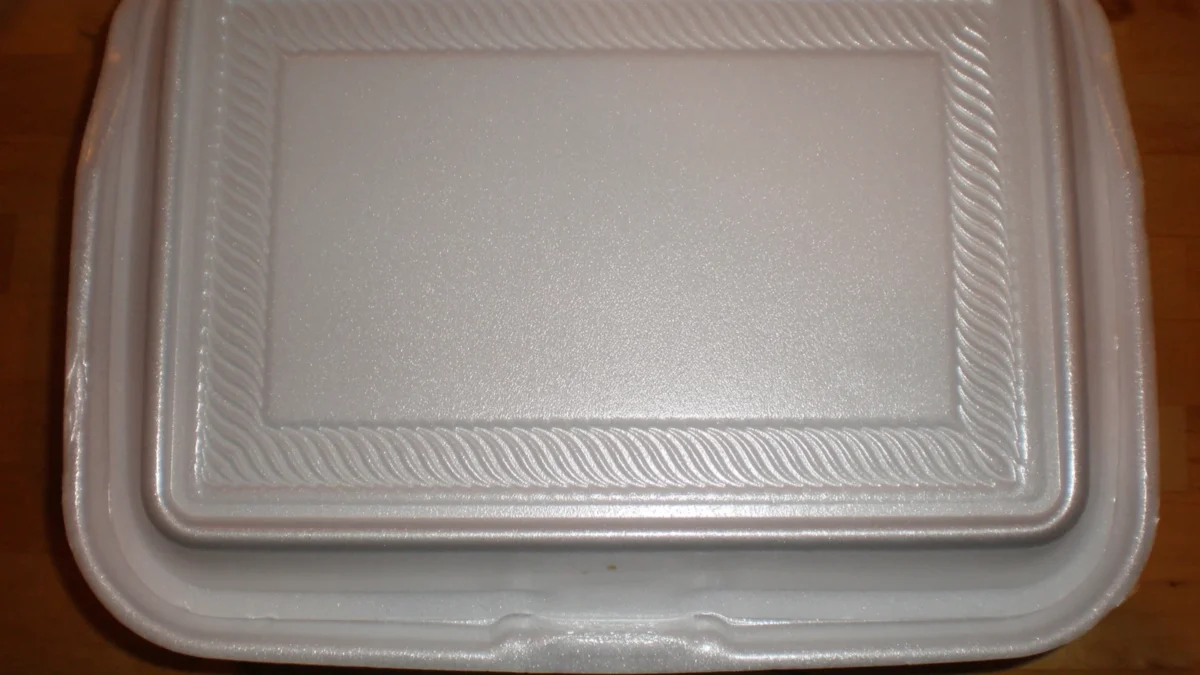
Ghana’s Environmental Protection Authority says its polystyrene foam ban is scheduled to take effect on 1 January 2027. Its 25 May 2026 statement covers production, imports, distribution, sale and use, and lists takeaway containers, disposable cups and plates among the affected EPS products. The notice also lists non-food uses and states exclusions for specified medical, scientific, laboratory and diagnostic purposes subject to applicable regulation. [1]
The date and scope above describe the EPA’s published policy announcement. The reviewed statement does not supply a separate gazetted implementing instrument or settle customs classifications, stock already in transit or enforcement procedures for every format. Importers should verify those points for the actual SKU before cancelling shipments or committing replacement inventory.
Buy against the meal and route
The clearest opening for moulded fibre is a rigid takeaway format that can pass the same service test at a workable delivered price. A sugarcane-bagasse clamshell may be a candidate for some meals. Test the actual hot and oily menu item, then check the hinge, rim and base after stacking and transport. A paperboard carton may be suitable for a drier meal with a shorter holding time. Its seams and any barrier still need testing. The site’s paper barrier engineering analysis explains why grease resistance alone cannot qualify the finished pack.
For soups or a route that needs a positive seal, a suitable rigid alternative or a managed reusable system may deserve the same trial. A return-and-wash system needs reliable returns, washing capacity and customer participation. Verify food-contact documentation for each construction and disposal instructions against the actual receiving service. Local collection of food-soiled fibre cannot be inferred from the substrate.
Distributors have a better reason to switch inventory after a candidate passes a paid trial than after a promising sample. Start with high-repeat meal formats, price by accepted delivery and test supplier replenishment before reducing stock of a proven permitted pack. Watch official implementation guidance and actual fill, leak and reorder records over the transition.
Sources
- Ghana EPA press statement, 25 May 2026, pp. 1–2, scope, stated exclusions and transition.
Found an error? Read our corrections policy and contact the editors.