New South Wales is stepping back from mandatory reusable-cup schemes. In its 28 October 2026 regulatory-intent statement, the EPA says businesses will not have to provide reusable cups from 2030 and that it will not enforce the proposed new section 34C of the Plastic Reduction and Circular Economy Act 2021. [1]
For foodservice buyers, the change concerns a service model, not every cup-related purchasing decision. A borrowed-cup network, a customer’s own cup and a single-use takeaway cup require different preparation.
Separate the scheme decision from the retained reforms
| Decision | Position and next task |
|---|---|
| Join a reusable-cup scheme | No mandatory scheme. Recheck the assumed policy trigger for a service contract. |
| Accept a customer’s clean cup | Reform retained. Keep a separate counter-procedure workstream. |
| Buy takeaway cups | Recyclability reform retained. Keep the finished-cup specification under review. |
The minister’s same-day statement also rules out requiring cafes to buy additional mugs or glasses for dine-in service. It says businesses may continue choosing reusable-cup schemes voluntarily, while clean customer-cup acceptance and recyclable takeaway-cup reforms remain for the next few years. [2] It does not give a complete implementation timetable for those retained reforms.
A service contract and a cup specification solve different problems
An operator whose investment brief assumed compulsory participation should revisit that assumption before committing to a pooled-cup service. That is a review of the business case, not an instruction to cancel an existing contract. Voluntary participation still needs its own case for collection, washing, redistribution and customer use.
The EPA itself identifies supporting infrastructure, operational capability and consumer participation as constraints on successful reuse schemes. [1] Removing a mandate does not resolve those operating questions for a business that still wants to participate.
Accepting a customer’s clean cup is a different task from procuring and circulating a shared fleet. A takeaway-cup specification is different again. Keep these decisions separately recorded so a scheme-policy change does not erase preparation for the other reforms. Confirm the applicable details before treating any draft counter procedure or purchasing specification as final.
For the packaging specification, the site’s paper-cup recycling guide explains why the whole construction and receiving route matter. It is technical background, not a finding that a particular cup meets a future NSW requirement.
Use the statement for the decision it actually addresses
The EPA document states an enforcement position; the minister explains the policy change. Neither should be treated as a complete, consolidated applicability check for every foodservice business. This article does not establish that section 34C has been repealed or that all cup reforms already apply.
The next records to watch are any formal legislative change, commencement details and further EPA implementation guidance. Those can settle the timing and scope of retained reforms. For now, update the mandatory-scheme assumption while preserving the separate evidence needed for customer-owned cups and takeaway purchasing.
Sources / References
- NSW EPA, Statement of regulatory intent on reusable cups, 28 October 2026; full relevant statement accessed the same day.
- NSW Minister for the Environment, Statement on reusable cups, 28 October 2026; full relevant statement accessed the same day.
Photograph credit
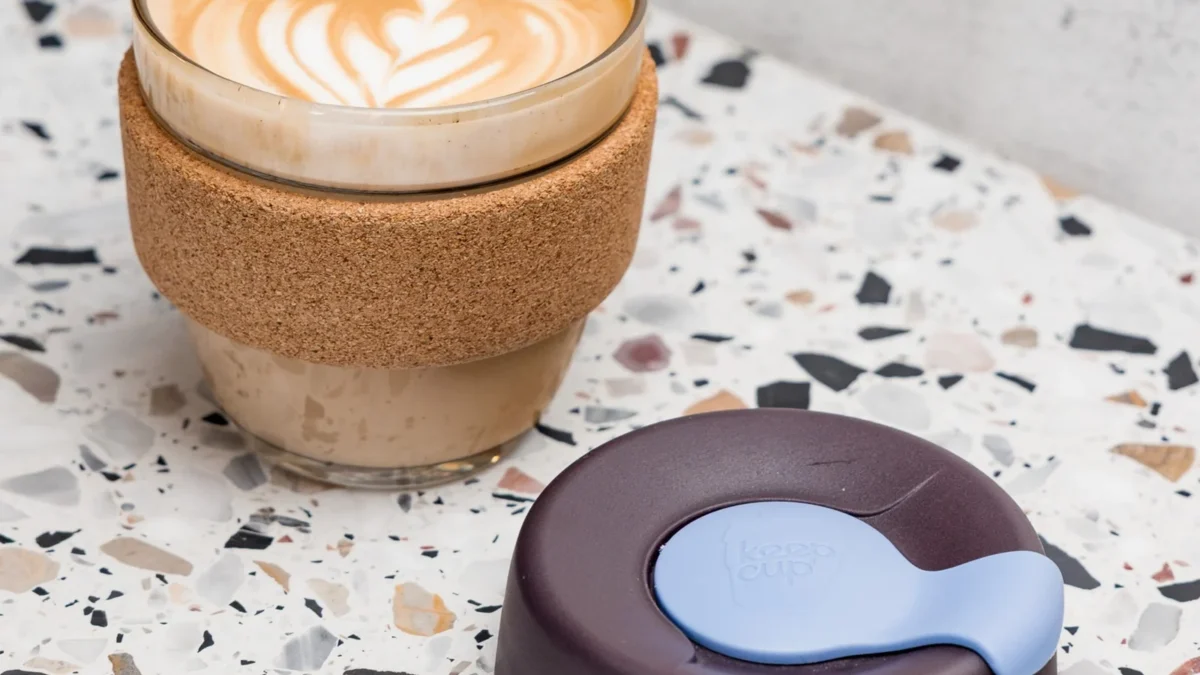
KeepCup Brew Cork reusable cup, photographed 30 October 2024. Photo: Keepcupwiki / Wikimedia Commons, CC BY-SA 4.0. Full composition retained; resized and converted to WebP under the same licence. Archival product context, not a NSW government endorsement, a scheme rollout or compliance evidence.
Found an error? Read our corrections policy and contact the editors.