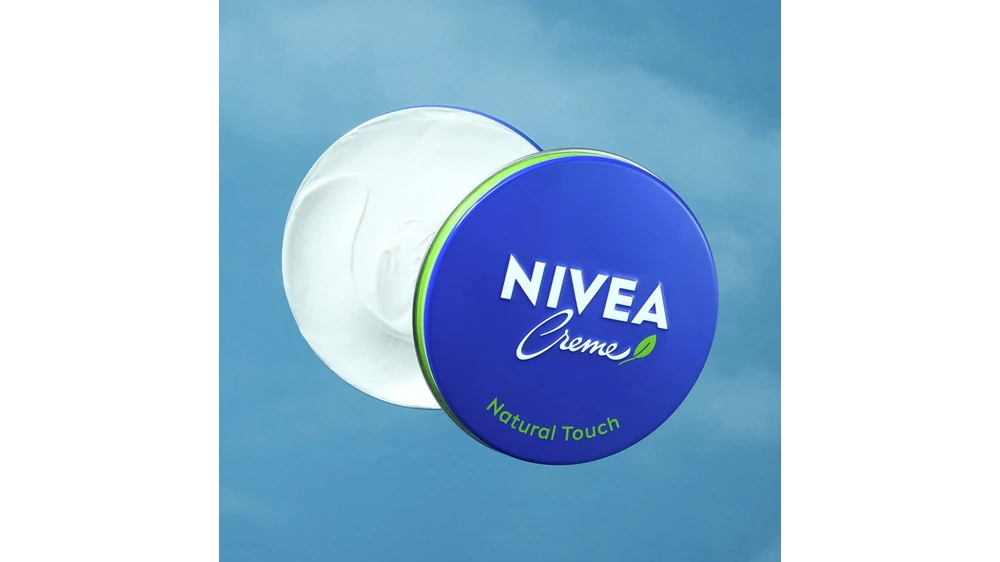
Novelis and Beiersdorf say the aluminium in the NIVEA Creme tin has reached 95% recycled content. Novelis announced the development on 6 October 2026. An earlier Beiersdorf release dated 5 January already described a 95% recycled aluminium tin for the German launch of NIVEA Creme Natural Touch. These are attributed company statements, not an independent audit of the metal supplied.
The packaging story is an increase in recycled feedstock while retaining a familiar rigid format. It also shows why the denominator and accounting basis of a recycled-content figure matter. A percentage describing aluminium input is not a measured reduction in the product’s overall environmental footprint.
The definition behind the percentage
Beiersdorf’s January document includes a consequential footnote: the figure is an average annual recycled content incorporating pre-consumer and post-consumer material. That makes it different from a claim that every individual tin contains 95% post-consumer aluminium. The footnote should travel with any comparison based on that earlier product statement.
The earlier Beiersdorf document does not provide a product-by-product mass balance or an independently examined breakdown between those two feedstock categories. It therefore cannot establish a precise post-consumer share. Nor should the 95% figure be applied to the cream, the complete filled sales unit or every other NIVEA package.
The 6 October Novelis announcement reports an earlier milestone of 80% in 2024 and says the 95% recycled-aluminium tin has been available in Germany since the beginning of 2026. Novelis says wider introduction across Europe and other markets is planned from 2027. The announcement date therefore differs from the earlier German availability date, and the broader rollout remains a company plan.
Changing the metal without changing the format
A recycled-content increase is a different kind of packaging change from replacing the tin with another material. The visible form can remain familiar while the supply and composition of the metal change. That distinction matters because appearance alone tells a consumer little about the feedstock accounting behind a package.
For a rigid beauty pack, maintaining the required forming, finishing and product-protection performance remains part of the application. A recycled share cannot establish those properties on its own. Equally, retaining the same appearance would not prove that the source material remained unchanged.
The practical industry question is how a supplier and brand maintain a specification while incorporating recycled material. That concerns input quality and manufacturing control as well as the headline percentage. This report has not inspected the alloy specification, production acceptance limits or individual batch results, and does not claim to have tested the tin.
Recycled content is not a collection result
The recycled-content figure describes material entering manufacture. It does not show what proportion of used NIVEA tins consumers subsequently collect or what proportion becomes new packaging. Those are output and recovery questions with different populations and denominators.
A high recycled share can coexist with unresolved questions about the origin of scrap and the destination of the finished pack after use. To evaluate a closed-loop claim, the record would need to connect those stages. This report does not describe the tin as a closed packaging loop merely because recycled aluminium is used.
Geographic scope is also material. The January Beiersdorf statement concerns a named line extension launching in Germany. It cannot, by itself, establish the recycled-content specification of every tin sold in every market. Wider claims need their own dated source and product scope.
There is no 95% emissions result here
A content percentage and an emissions percentage can happen to use the same number without measuring the same thing. Converting one into the other would require a defined comparison covering the relevant production and packaging system. This article does not claim a 95% carbon reduction, independently established environmental superiority or a finished-product life-cycle result.
A defensible environmental comparison would identify the baseline metal supply, functional package, production boundary, energy assumptions and the accounting of recycled inputs. It would also state whether the result concerns the aluminium alone or the whole sales unit. None of those distinctions can be replaced by the appearance of a recycled-content claim.
The October statement supplies the later company update; the January Beiersdorf document supplies the narrower, expressly defined annual-average basis for its named German line extension. Together they support an attributed news account, while leaving independent verification, individual-unit composition and actual recovery outcomes unestablished.
Sources
- Novelis. Novelis and Beiersdorf Achieve 95% Recycled Aluminium in Iconic Nivea Creme Tin. 6 October 2026 as indexed. Indexed release; transition and rollout paragraphs. Sources checked 21 October 2026.
- Beiersdorf. Iconic blue tin now available in two versions: Beiersdorf launches NIVEA Creme Natural Touch in Germany. 5 January 2026. Page 2: Combining performance with purpose; footnote 5. Sources checked 21 October 2026.
The public corrections channel is currently inactive. Read our corrections policy.