Metsä Board’s return to a positive quarterly comparable operating result needs a different reading from a simple recovery headline. Its 29 October release reports a Q3 2026 comparable operating result of EUR 5.5 million, against a EUR 45.6 million loss a year earlier. The quarter also benefited from approximately EUR 10 million of tariff refunds that the company says will not recur in Q4. For paperboard renewal teams, the useful question is which parts of the quarter can carry into the next purchasing period. [1]
A one-off refund changes the comparison baseline
The release separates the reported operating result, EUR 1.1 million, from the comparable operating result, EUR 5.5 million. It also identifies tariff refunds as a positive Q3 impact that offset high logistics costs. The word comparable should therefore not be treated as a promise that every influence in the quarter repeats. Nor should the disclosed refund simply be subtracted to publish a new, supposedly audited normalized result: the release’s stated measures and their reporting scope must remain visible. [1]
| Measure | Disclosed amount | Comparison boundary |
|---|---|---|
| Operating result | EUR 1.1 million | Reported quarter |
| Comparable operating result | EUR 5.5 million | Issuer’s comparable measure |
| Tariff-refund impact | About EUR 10 million | Positive Q3 impact; not recurring in Q4 |
Source: Metsä Board’s 29 October release, quarterly key figures, events and near-term outlook. The rows are not components to add together. No alternative profit measure is calculated here.
A purchasing budget should preserve that nonrecurring item as a separate explanation when comparing Q3 and Q4. Otherwise, a weaker next quarter could be mistaken for a wholly new deterioration in customer demand or manufacturing efficiency. The release also expects higher energy costs, lower maintenance costs and higher other fixed costs in Q4. Those are different mechanisms; an earnings comparison cannot attribute their combined effect to the buyer’s selected paperboard price. [1]
Group improvement is not a uniform mill signal
Metsä Board says paperboard delivery volumes remained at the previous quarter’s level while average prices increased slightly. Its Finnish paperboard mills had stronger order books supporting higher operating rates. At Husum, however, operating rates remained low and the mill integrate continued to be loss-making. Annual maintenance and a long market-related production shutdown at Husum in July also affected the quarter. [1]
That split changes the evidence needed for a renewal. A group result does not establish spare capacity, a shortage or an available allocation at the mill making a particular grade. The sourcing file needs the grade, producing mill, reel or sheet form, order size and delivery period that the supplier is actually offering. A stronger Finnish order book cannot be transferred automatically to a Husum quotation; a loss at Husum does not by itself establish a bargain price or an unreliable delivery.
The company says Winschoten sheeting reached its planned level and supports a gradual increase in Husum folding-boxboard production. That is a stated operating-development signal, not a confirmed allocation to every buyer. Its Q4 outlook also anticipates a seasonal decline in paperboard deliveries and continued production adjustments as needed. Availability assumptions should therefore follow the actual delivery offer rather than an unqualified extrapolation of the previous quarter. [1]
An annual run rate is not another quarter of earnings
At the end of September, the transformation programme’s annualized EBITDA run-rate improvement was approximately EUR 148 million; around EUR 99 million had been realized in reported EBITDA. These describe the programme’s earnings impact on different time bases. Neither is the company’s total quarterly EBITDA, and adding the run rate to the realized impact would count unlike measures together. The disclosure is a reason to track implementation, not a promised future price reduction for a carton converter. [1]
For a finance team testing a supplier’s recurring economics, the next bridge should identify realized savings separately from refund effects and new costs. For a buyer negotiating a specification, the next record is the offered price basis and delivery commitment. A supplier can improve its own cost position while its customer’s delivered quote changes differently because of grade, form, transport and contract terms. Our packaging feedstock price-basis review explains why period, grade, geography and quotation basis belong beside a price signal.
The next quarter should test recurrence
Q4 results without the refund, comparable programme-impact reporting and mill-specific operating updates can show how much of the improvement persists. Until then, the release supports a qualified supplier-level signal rather than an independent European paperboard-demand or market-share conclusion. The analysis uses the issuer’s distributed results text and key figures; it does not independently verify the underlying market statistics, reconstruct the complete interim accounts or assess an individual supply contract.
Sources / References
Metsä Board. Interim report for January–September 2026: Profitability supported by own actions and improved market balance, issuer release via Cision/MFN, 29 October 2026, 12:00 EET. Relevant original text read: Q3 events, CEO mill commentary, near-term outlook and quarterly/nine-month key figures. Sources checked 31 October 2026. The complete attached interim report and underlying Pro Carton statistics were not independently reviewed; management’s outlook remains forward-looking.
Photograph credit
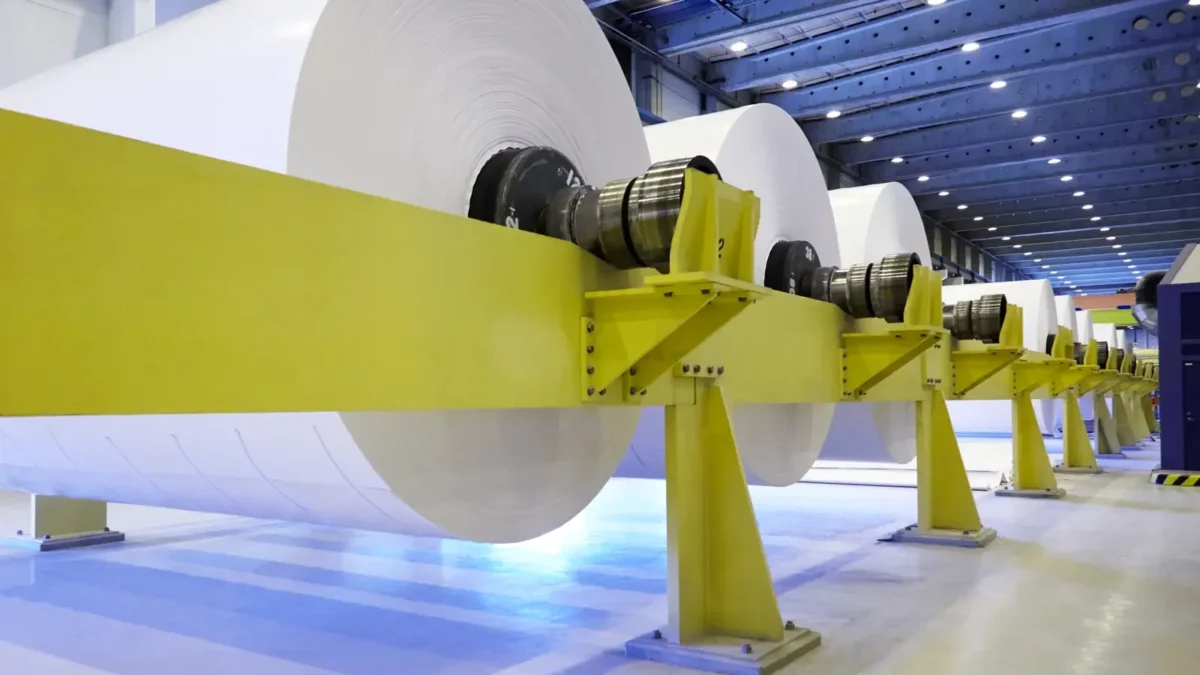
Folding-boxboard reels identified as Husum mill in Metsä Board’s selected media imagery. Image: Metsä Board Corporation. Photography date not supplied; accessed 30 October 2026. Official media rendition resized and converted to WebP with full composition retained. This is physical production context, not a record of Q3 output, available customer stock or an observed Q4 recovery.
Found an error? Read our corrections policy and contact the editors.