

Editorial company profile
Graphic Packaging
Graphic Packaging International develops paperboard consumer packaging, beverage multipacks and foodservice formats, combining board manufacturing with package design and converting.
Official websiteLogo: Graphic Packaging; source: official company site.
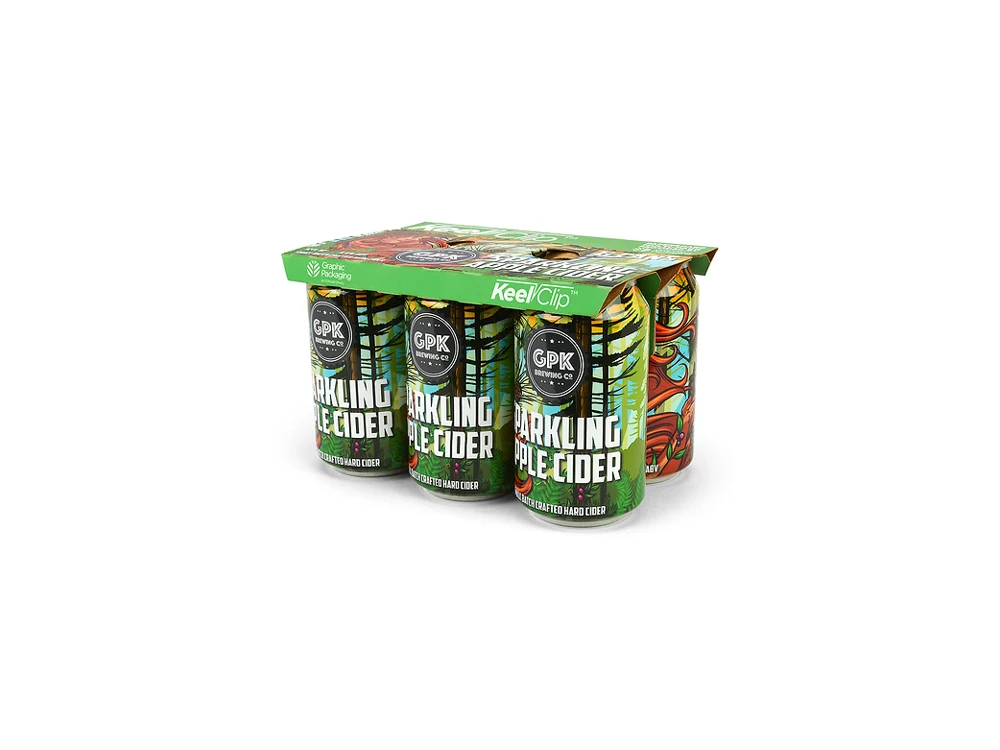
Featured packaging
KeelClip paperboard can multipacks
Paperboard
KeelClip uses a shaped paperboard carrier to group beverage cans, with a printable top surface and integrated handling features. The design offers a fiber-based approach to a job often performed by shrink film or plastic rings. Carrier geometry, can configuration and application equipment form part of the complete packaging system.
Explore product rangeCompany overview
Graphic Packaging International works across the paperboard packaging chain, from manufacturing board to designing and converting finished packs. Its portfolio includes folding cartons, beverage carriers, rigid paperboard containers and foodservice packaging. This combination places the company in both supermarket aisles and food-to-go operations, rather than in a single cup or carton category.
The company's named systems illustrate the range. KeelClip is a paperboard clip-style beverage multipack offered with a machinery solution. Boardio is a rigid paperboard canister system. PaperSeal uses barrier-lined paperboard for tray applications, while CleanClose addresses another consumer-packaging use: household detergent packaging. These are distinct constructions and operating systems, rather than interchangeable examples of a generic paper container.
For packaging developers, the useful company-level distinction is its ability to connect board, structural design and converting. A brief for beverage grouping calls for different evidence from one for a sealed food tray, even when both start with paperboard. Graphic Packaging's portfolio provides specific examples of those different design problems.
Packaging portfolio
| Packaging area | Examples | Main applications |
|---|---|---|
| Beverage multipacks | KeelClip clip-style carriers | Grouping beverage containers with a paperboard system |
| Rigid paperboard containers | Boardio canisters | Consumer products requiring a shaped container |
| Food trays | PaperSeal barrier-lined trays | Food applications requiring an identified barrier construction |
| Consumer packaging | Folding cartons and CleanClose | Retail products and household-product formats |
Materials and technologies
Graphic Packaging's technical position combines the substrate with the structure and, for some systems, application machinery. KeelClip's connection to high-speed equipment is significant because a carrier must work on a packing line, not simply hold containers in a prototype. PaperSeal demonstrates a different route: the paperboard structure is paired with a barrier liner. Its presence should remain explicit when assessing the finished tray, rather than describing the whole pack as untreated paper. Boardio adds a rigid canister format to a portfolio otherwise associated with folding cartons.
Sustainability strategy and packaging direction
The company describes its approach through better packaging, people and environmental performance. Its stated packaging priorities include circular design, material efficiency and improved recovery of paperboard. It identifies Boardio, CleanClose and EnviroClip among innovations intended to reduce dependence on fossil-based packaging materials. Its climate programme also addresses manufacturing efficiency, transport and energy sourcing. These are attributed corporate priorities; a design intended for recycling is not evidence that a particular used pack was collected and recycled.
Why this company matters in packaging
Graphic Packaging matters to packaging coverage because the same business serves high-volume beverage grouping, consumer cartons and direct-food applications. That breadth makes it useful for examining where fiber changes the structure of a pack, where a liner remains important, and where new machinery becomes part of a material switch. The most informative comparison is between identified systems: a clip-style carrier, a rigid canister and a barrier-lined tray solve different tasks. Following those systems provides a more concrete account of paperboard development than treating paper as a single alternative to plastic.
What packaging buyers should verify
- For KeelClip, establish container configuration and compatibility with the proposed application machinery.
- For PaperSeal, request the exact liner, sealing arrangement and intended food-storage conditions.
- For Boardio or CleanClose, obtain the complete structure and closure specification; assess claims for that construction, not the entire corporate portfolio.
Disclosure
Editorial company profile. Inclusion does not constitute a product endorsement, membership statement or commercial partnership.